

Brew Kettles
A brew kettle, also known as a boiling kettle, is one of the most fundamental pieces of equipment in the brewing process. Used by commercial brewers and homebrewing enthusiasts alike, a brew kettle is where wort—the liquid extracted from malted barley—is boiled, usually with hops, to create the base for beer. This critical step in brewing serves multiple purposes: sterilizing the wort, improving its color, enhancing flavors, and extracting bitterness and aromatics from the hops.
At GW Kent, we offer a variety of high-performance brew kettles to meet the needs of brewers at any scale. Whether you're brewing small batches at home or crafting signature beers for a commercial operation, our kettles are designed for durability, efficiency, and ease of use. Each kettle combines quality construction with practical features to ensure consistent results.
-
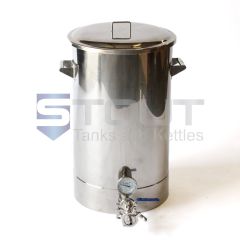
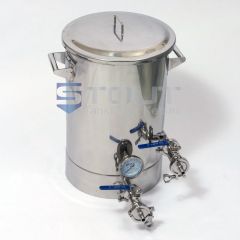 10 Gallon Brew Kettle - with Thermowell, Tangential Inlet (Direct Fire)Catalog# ST-167Regular Price $532.00 On Sale $336.00
 -
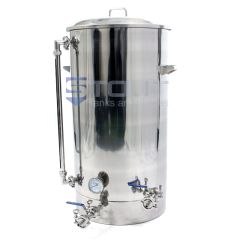
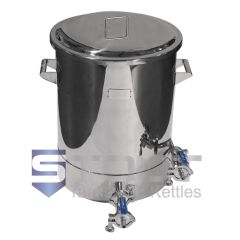 15 Gallon Brew Kettle - with Laser Markings (Electric)Catalog# ST-86Regular Price $640.00 On Sale $404.00
 -
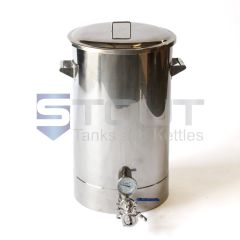 20 Gallon Brew Kettle - with Thermowell, Tangential Inlet, Laser Level (Direct Fire)Catalog# ST-111Regular Price $719.00 On Sale $453.00
 -
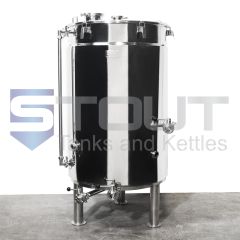
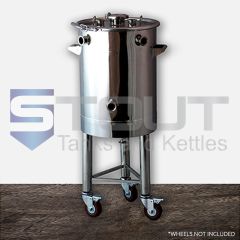 20 Gallon Brew Kettle for Low Oxygen brewing - On Legs (Electric)Catalog# ST-2718Regular Price $1,233.00 On Sale $777.00
 -
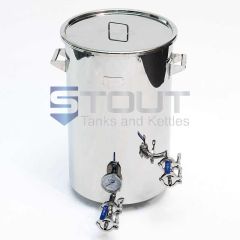 21 Gallon Brew Kettle - Flat Bottom with Trub Dam (Direct Fire)Catalog# ST-113Regular Price $677.00 On Sale $427.00
 -
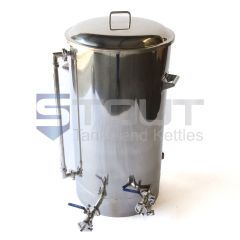 45 Gallon Brew Kettle - with 2 Element Ports, 1 Level Sensor Port (Electric)Catalog# ST-142$1,279.00
 -
 75 Gallon Brew Kettle - with 2 Element Ports, Level Sensor Port (Electric)Catalog# ST-162Regular Price $1,917.00 On Sale $1,743.00
 -
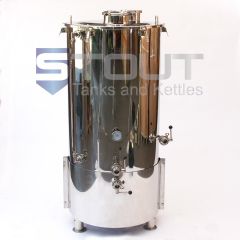 2 BBL Brew Kettle - with Heat Shield (Direct Fire)Catalog# ST-2680Regular Price $3,420.00 On Sale $3,109.00
 -
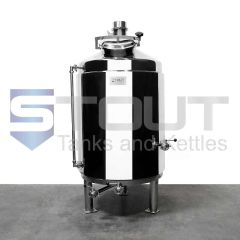 3 BBL Brew Kettle (Dome Top, Electric, Insulated)Catalog# ST-2418Regular Price $7,816.25 On Sale $6,253.00
 -
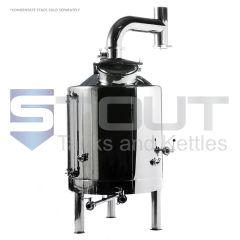 3 BBL Brew Kettle - with Dome Top (Electric)Catalog# ST-65Regular Price $5,001.00 On Sale $4,546.00
 -
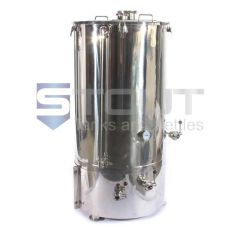 3 BBL Brew Kettle - with Sloped Bottom and Heat Shields (Direct Fire)Catalog# ST-64Regular Price $4,597.00 On Sale $4,179.00
 -
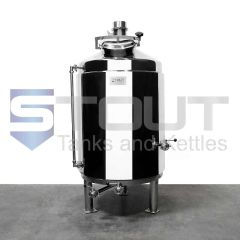 3.5 BBL - 4 BBL Brew Kettle - with Dome Top - Insulated (Electric)Catalog# ST-2732Regular Price $7,292.00 On Sale $6,629.00
 -
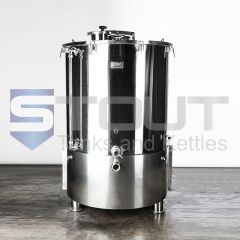 4 BBL Brew Kettle - with Sloped Bottom, Heat Shields (Direct Fire)Catalog# ST-107Regular Price $5,661.00 On Sale $5,146.00
 -
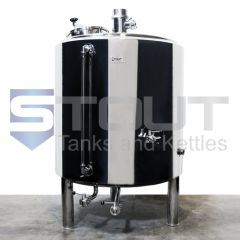 7 BBL Brew Kettle - Insulated (Electric)Catalog# ST-2787Regular Price $10,174.00 On Sale $9,249.00
 -
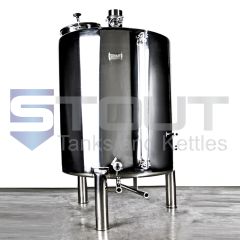 7 BBL Brew Kettle - with Conical Bottom, Dome Top, Trub Dam, Right Orientation (Electric)Catalog# ST-2637Regular Price $6,369.00 On Sale $5,790.00
 -
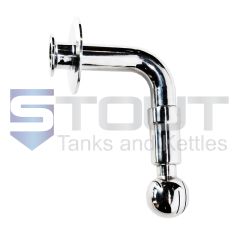 Rotating CIP Spray Ball | 1.5" Tri Clamp x 10" L for Dome Top Brew Kettles (304SS)Catalog# ST-746$108.00
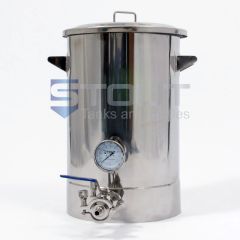
Key Features our Brew Kettles:
Brew kettles are specifically designed to withstand high temperatures and brewing conditions. Common features include:
- Durable Construction: Made of 304 stainless steel for its resistance to corrosion and ease of cleaning.
- Large Volume Capacity: Designed to hold significant quantities of wort, we have sizes that range from small-scale homebrewing sizes (5-45 gallons) to large commercial brewing systems
- Heat Source Compatibility: Brew kettles can work with gas burners, electric heating elements, or steam for larger systems.
- Integrated Components: Many kettles come with built-in thermometers, sight glasses, and fittings for whirlpooling or recirculation.
How are Brew Kettles Used in the Brewing Process?
- Wort Collection: After mashing your grains in the mash tun, the liquid wort is transferred to the brew kettle.
- Boiling: The wort is brought to a rolling boil, typically lasting 60-90 minutes, depending on the style of beer being brewed. This process sterilizes the wort and halts enzymatic activity while allowing unwanted compounds to evaporate.
- Hop Addition: During the boil, hops are added at staggered intervals to influence bitterness, flavor, and aroma. Early additions add bitterness, while late additions contribute more aromatic qualities.
- Whirlpooling: Some brew kettles have whirlpool ports to create a vortex that separates hop particles and other trub (sediment) from the liquid post-boil.
- Cooling: After boiling, the wort is rapidly cooled to fermentation temperature using a wort chiller, then transferred to a fermenter for yeast pitching.