


Carbonation Equilibrium Calculator
How To Use This Chart
Enter your elevation and ABV, choose the CO2 unit system you want to work in, and use the actual beer temperature row with the regulator pressure column to estimate carbonation at equilibrium.
This chart works best for setup, planning, and troubleshooting. Always confirm the final carbonation level with a carbonation volume meter before packaging, kegging, or sale.
Unit mode: Volumes uses °F + PSI; g/L uses °C + bar. You can still manually switch temperature units at any time.
Before packaging, kegging, or sale, always verify actual carbonation with a calibrated carbonation volume meter.
Carbonation Equipment

Carbonation Basics
Carbonation is dissolved CO2 in solution, usually expressed as volumes CO2 (vols). One volume means one liter of dissolved CO2 per liter of beer at standard reference conditions. For alternate units, this chart can also display g/L CO2.
Carbonation is controlled by pressure, temperature, and time to equilibrium. At constant pressure, colder beer absorbs more CO2. At constant temperature, increasing pressure increases dissolved CO2.
Using This Chart in Production
- Stabilize product temperature in the brite tank.
- Set head pressure to the target equilibrium pressure.
- Maintain that pressure while CO2 absorbs and tank pressure drops.
- Confirm with a carbonation meter before packaging.
Canning Guidance
For many beer styles during canning on an atmospheric canning machine, a common working window is about 2.2 to 2.6 vols around 32 to 34 deg F. Over-carbonated beer tends to create excess breakout and short fills, while under-carbonated beer may reduce foam and increase dissolved oxygen risk.
If you are routinely canning beverages above 2.6 vols, you should seriously consider a counter pressure canning line. Counter pressure filling matches the pressure inside the can to the pressure in the product during the fill, which dramatically reduces breakout and allows highly carbonated beverages to be packaged consistently and without excessive foam loss.
A temporary pressure bump during active filling can reduce breakout in transfer lines, but holding elevated pressure too long can raise final carbonation above target. Keep adjustments controlled and return to equilibrium settings after canning.
Troubleshooting Quick Checks
- Low foam / high DO: verify actual carbonation first, then evaluate pressure, line setup, and fill-head tuning.
- High foam / short fills: check for over-carbonation, line breakout, warm product, and turbulence from pressure/flow settings.
- Intermittent breakout: inspect transfer hose routing for high points where gas pockets can collect and release.
Fast Carbonation Note
Accelerated carbonation methods can work, especially at larger scale, but they require close operator control. Excessive pressure or aggressive gas contact can cause safety issues or strip aroma. If using a fast method, increase pressure in controlled steps and monitor continuously.
Pressure Relief Valve Safety
Pressure relief valves (PRVs) are a critical safety component on any pressurized vessel, including brite tanks, serving tanks, kegs, and carbonation assemblies. PRVs can fail when needed most, so regular inspection is important. Any valve that shows visible damage or has been in service for an extended period should be inspected and serviced before the vessel is pressurized again.
Gaskets, springs, locking rings, and other wear components can often be replaced to restore a PRV to proper working condition. Shop PRV parts and replacement valves.
Pressure Gauges and Why They Matter
Every value in this chart assumes you are reading accurate gauge pressure from your regulator or tank. Gauge pressure is the pressure above local atmospheric pressure, which is what a standard regulator dial displays. When you set your regulator to 12 PSI, you are applying 12 PSI above the surrounding atmosphere, and that is the number the carbonation equation uses. An inaccurate gauge means your actual carbonation will differ from what the chart predicts, even if everything else is correct.
Pressure gauges are more fragile than they look. A gauge that has been dropped, over-pressurized, exposed to moisture internally, or simply worn from years of use can read several PSI off without any visible sign of damage. In carbonation work, even a 2 to 3 PSI error can shift your result by a meaningful fraction of a volume. If your carbonation results are consistently high or low despite correct temperature and equilibrium time, a drifting gauge is one of the first things worth checking.
Inspect gauges regularly and replace any that have taken a hard impact, have been pushed past their rated maximum, show moisture or fogging behind the face, or simply have not been verified in a long time. Keeping a known-good reference gauge on hand to cross-check regulators is a simple habit that can prevent a lot of wasted product. Shop pressure gauges.
Force Carbonation Best Practices
This force carbonation chart is designed as a practical beer carbonation calculator for breweries, taprooms, and mobile canning teams. If you are targeting repeatable results, keep your brite tank temperature stable, maintain regulator setpoint, and avoid large swings in line pressure. Consistency in cellar conditions is usually more important than chasing rapid pressure changes.
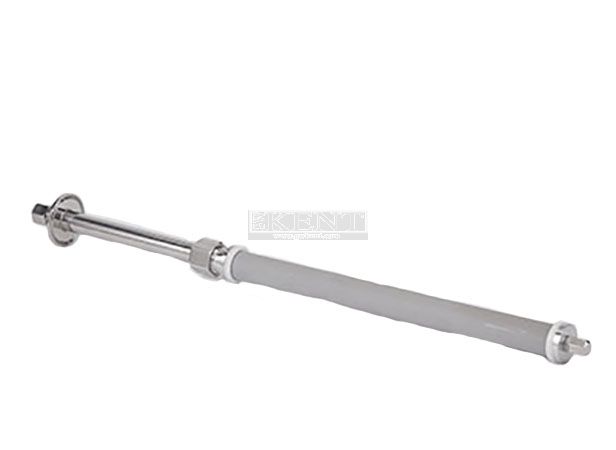
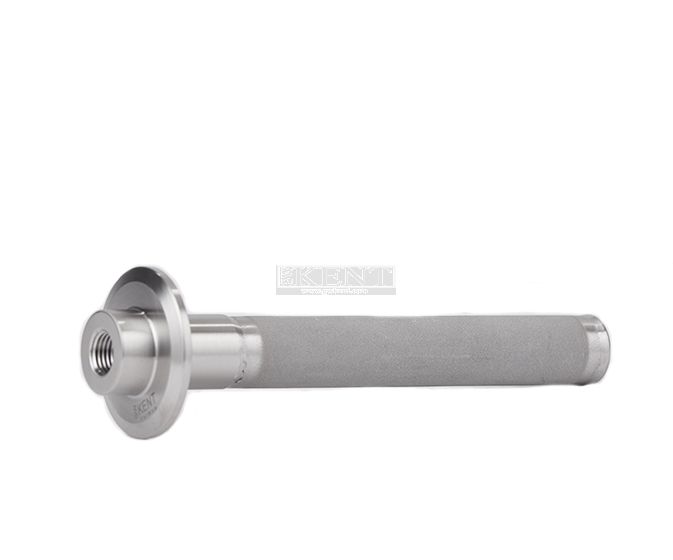
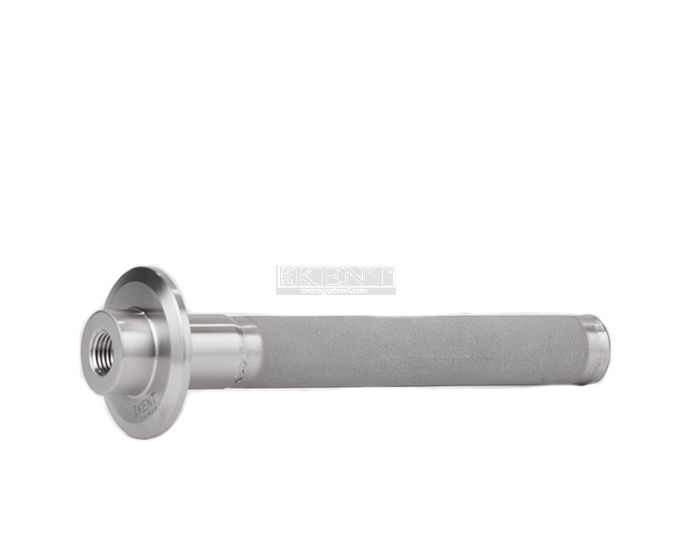
Carb stone setup, gas flow rate, contact time, and tank geometry all influence how quickly you reach equilibrium. In most operations, the fastest path to reliable carbonation is steady control rather than aggressive cycling. For draft beer carbonation and packaged beer quality, verify final carbonation with an instrument instead of relying on pressure alone.
Packaging and Shelf Stability
Correct carbonation supports seam quality, fill consistency, and customer perception of freshness. During canning runs, warmer product or excessive breakout in transfer hoses can shift CO2 out of solution and create foam instability at the filler. Keeping beer cold, minimizing turbulence, and tuning flow controls can reduce waste and improve throughput.
Formulas and Assumptions
The chart uses established pressure-temperature carbonation relationships with explicit altitude and unit handling. These formulas support the temperature, pressure, elevation, and ABV behavior shown above.
Variable definitions: h = elevation (ft), T = product temperature (deg F in the carbonation equation), P_local_psi = regulator pressure read locally, P_eq_psi = sea-level equivalent pressure used for the carbonation estimate, V = carbonation in volumes CO2.
ABV compensation is an engineering approximation for planning and control; laboratory measurements should be used for final production validation.
Carbonation FAQ
What is a good carbonation range for most ales and lagers? A common target is around 2.2 to 2.6 vols CO2, then style-specific adjustments from there.
Why does elevation matter? Atmospheric pressure decreases with altitude, so the same regulator setting produces different effective carbonation conditions.
Does ABV change carbonation behavior? Yes. CO₂ is more soluble in ethanol than in water, so higher-ABV beers hold slightly more dissolved CO₂ at the same pressure and temperature. In practice, this means a 10% imperial stout requires marginally less pressure than a 5% lager to reach the same carbonation level. The effect is small (roughly 1–2% per 5 points of ABV) but is included in this chart's calculations. For production-critical decisions, always verify with a calibrated carbonation meter.
Should I carbonate quickly for every batch? Fast methods can be useful, but controlled equilibrium carbonation is safer and usually more repeatable.
Who This Chart Helps
Use this tool for homebrew scaling, pilot systems, production breweries, and beverage programs that need dependable pressure-temperature references. It is especially useful when teams need a clear carbonation table they can read on desktop or mobile while working in the cellar or canning area.
Prefer a printable reference? Download the Force Carbonation Chart PDF (fixed reference for 5% ABV at sea level).
Explore more equipment and carbonation options here: Shop Carbonation Products.
Disclaimer: This chart and guidance are provided for educational use only. Always follow your facility safety procedures, equipment specifications, and quality validation protocols before making production or commercial decisions.